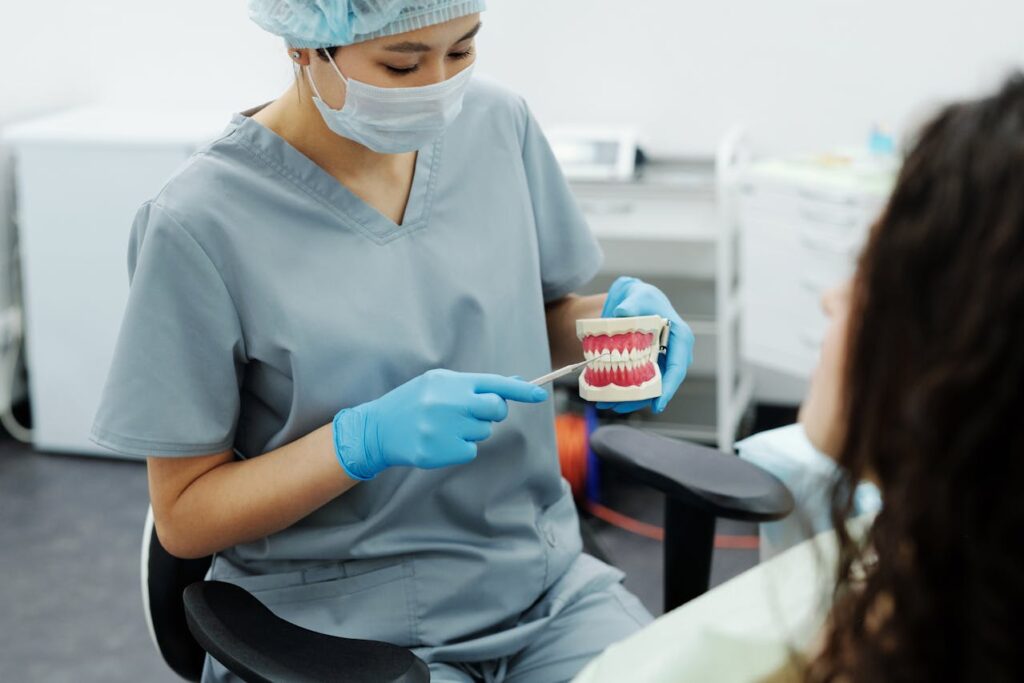
Early orthodontic care can make a big difference to a child’s smile, comfort, and confidence. When teeth and jaws grow in the right way, it is easier for children to eat, speak, and keep their mouths healthy, and that can help them feel better about themselves at school and with friends.
In this article, we explain what early orthodontics actually is, why it matters, and how it fits within paediatric dentistry in Malta. We will also share simple signs parents can look for at home and how modern digital care can make the process gentler and less stressful for children.
Early Smiles, Lifelong Confidence
Many parents start to worry when they notice things like crowded teeth, thumb-sucking habits that will not stop, mouth breathing at night, or a lisp that does not improve. These small changes can raise big questions. Is this normal? Will it fix itself? Does my child need braces?
Early orthodontics is not about rushing into full braces. It usually starts with an assessment around age 7 or 8, when most children still have a mix of baby teeth and adult teeth. At this stage we focus on how the jaws are growing and how the bite is forming, not just on straightening teeth.
Instead of old-style messy impressions, a digital clinic can use quick 3D scans and digital X-rays. This is especially helpful for younger children, as there is less discomfort and less time in the chair. It can also lower anxiety, because kids can simply sit and breathe normally while the scanner does its work.
A timely early assessment can offer several benefits, such as:
- Guiding jaw growth in a more natural direction
- Reducing the chance of crowded adult teeth and extractions later
- Spotting problems early, before they affect daily life
Why Early Orthodontic Checks Matter
Children’s jaws and facial bones are still changing as they grow. This gives us a helpful window to gently guide development while everything is flexible. Once growth slows, it can be harder to correct deep bite problems without more complex treatment.
Parents can often spot early warning signs at home, including:
- Baby teeth that are very crowded or very widely spaced
- Crossbites, where the top teeth bite inside the bottom teeth
- Underbites, where the lower front teeth sit in front of the upper ones
- Front teeth that stick out and are easily bumped
- Difficulty biting or chewing certain foods
- Long-term dummy use or thumb-sucking after age 3 or 4
When these signs are picked up early, treatment in the teenage years may be shorter and simpler. There is often a better chance to:
- Create space for adult teeth to come through in a healthier way
- Lower the risk of impacted teeth that are trapped in the jaw
- Avoid complex extractions and more invasive procedures
Early orthodontic checks sit naturally within paediatric dentistry in Malta. Regular visits for cleaning and preventive care can include growth checks, so we can keep an eye on how teeth and jaws are changing over time.
How Early Orthodontics Protects Oral Health
Straight teeth are not just about looks. The position of the teeth can affect how easy it is for a child to keep their mouth clean. Crowded or overlapping teeth create tight corners where plaque and food can get stuck, even if your child is brushing well.
By improving tooth alignment and the way the bite fits, early orthodontics can:
- Make brushing and flossing simpler and more effective
- Help lower the chance of tooth decay and gum inflammation
- Reduce uneven wear on certain teeth as your child grows
A balanced bite can also support more comfortable chewing. Children who chew well are more likely to enjoy a wider range of foods, including firmer fruits and vegetables. This can support better nutrition and help them feel more at ease during meals at school or with friends.
There can also be links between jaw position, breathing, and speech. In some cases, improving the bite can support clearer sounds and encourage nasal breathing over mouth breathing. Every child is different, but early checks give us the chance to notice patterns and advise if specialist care might help.
Most early orthodontic options are relatively conservative. The goal is to guide growth using gentle forces and simple appliances where needed, in line with a minimally invasive, evidence-based approach.
Modern, Child-Friendly Care
Many children feel nervous in a dental chair, especially if they think something new might happen. A calm, friendly setting and clear explanations can make a big difference to their confidence.
A fully digital workflow can help by replacing old methods with:
- 3D intraoral scans instead of messy putty impressions
- Digital X-rays designed to keep exposure as low as reasonably possible
- Computer-guided planning to map how teeth and jaws may change
Digital images are also very useful for parents. Being able to see your child’s bite clearly on a screen makes it easier to understand what is happening now and what might change in the future. This supports shared decisions about whether to start treatment or to keep watching and reviewing.
When preventive care, early orthodontic checks, and general paediatric dentistry happen under one roof, life is simpler for busy families. Your child can build trust with one familiar team, and appointments can often be grouped together to save time.
Getting Ready for Summer: Timing Your Child’s Visit
Late spring is often a good moment to think about orthodontic checks. School is still in session, but families are already planning for exams, sports finals, and summer holidays. Fitting in an assessment now can make it easier to plan any next steps calmly.
A simple summer-ready smile checklist might include:
- Book a check-up if it has been more than six months
- Note any concerns like snoring, mouth breathing, or thumb-sucking
- Ask about an orthodontic review if your child is between 7 and 8
- Talk through any changes in your child’s bite or chewing habits
It is important to know that not every child needs early treatment. In many cases, the best plan is to monitor growth with regular reviews and focus on strong daily care at home. When treatment is advised, starting during school holidays can help children adjust to new appliances and routines without the pressure of a full timetable.
By paying attention to small signs now and working with a child-friendly, digital team, parents can support healthier, happier smiles that last well into adulthood. Early orthodontics is really about giving growing children the best possible start, so their teeth, jaws, and confidence can all develop in the right direction.
Help Your Child Build Lifelong Confidence In Their Smile
If you are looking for gentle, expert care tailored to young patients, our team at Signature Dental is ready to help. Discover how our approach to paediatric dentistry in Malta focuses on comfort, clear communication and prevention from the very first visit. Book an appointment today so we can work together to keep your child’s teeth healthy and their experiences at the dentist positive.