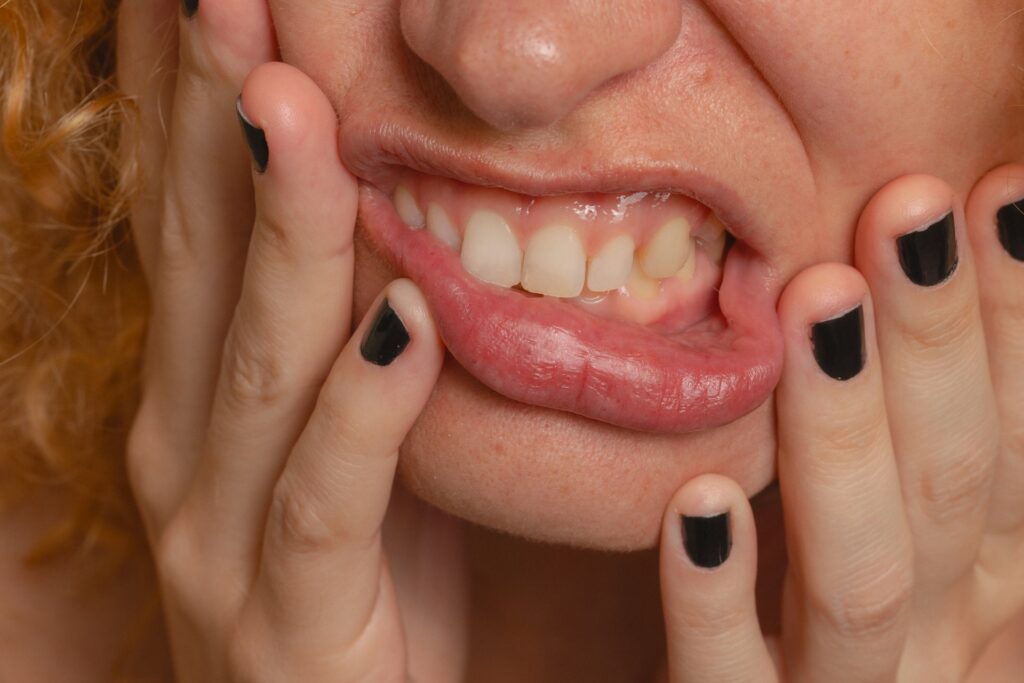
How Teeth Grinding Quietly Damages Your Health
Teeth grinding is not just a noisy habit. It is a sign that your jaw, muscles, and even your sleep may be under strain. Many people wake up in Malta with a tight jaw, a dull headache, or sore teeth and blame a busy week, a strange pillow, or a long day on screens. Often, the real cause is night-time clenching or grinding, also called bruxism.
Bruxism happens when you press or slide your teeth together with more force than they are built to handle. It often links to stress and anxiety, but also to bite problems, sleep disorders, and lifestyle habits like lots of caffeine, smoking, or late nights scrolling on phones or laptops. The jaw is working hard when it is meant to be resting, and over time this can affect more than just your teeth.
When you grind, the small joints in front of your ears, the temporomandibular joints, are forced to carry extra pressure. This can lead to temporomandibular disorders, or TMD, which show up as jaw pain, stiffness, and clicking. Grinding also disturbs your sleep without you even knowing so you can spend hours in bed but still wake up tired.
At a fully digital dental clinic, it is possible to spot subtle signs of grinding early, like tiny chips, flat areas on teeth, or changes in how the jaw moves. That makes it easier to plan gentle, long-term care that protects the teeth and joints instead of waiting for bigger problems later.
What Teeth Grinding Is Doing to Your Jaw Joints
Your temporomandibular joints, or TMJs, sit just in front of each ear. They are like small hinges with a sliding part, helping you open, close, and move your jaw from side to side when you talk, eat, or yawn. They work with muscles, ligaments, and a small disc of cartilage to keep movement smooth.
Constant clenching or grinding overloads these structures. The joints are forced into a tight, stressed position again and again. The muscles around the jaw stay switched on at night when they should be resting.
Common signs of TMD linked to grinding can include:
• Jaw pain or stiffness, especially in the morning
• Clicking, popping, or grinding sounds in the jaw
• Difficulty or pain when chewing tougher foods
• Limited mouth opening or jaw that feels “stuck”
• Pain that feels like it comes from the ear or cheek
If grinding is not addressed, it can:
• Wear down the enamel and flatten tooth surfaces
• Put pressure on the cartilage disc inside the joint
• Lead to inflammation and tenderness in the joint area
• Gradually shift the bite, changing how your teeth meet
Once the bite changes, the jaw often has to work even harder to find a comfortable position, which can worsen TMD and keep the cycle of pain going. Modern TMD treatment in Malta can include detailed bite checks, digital imaging of the joints and teeth, and custom splints that help share and reduce pressure so the jaw can begin to calm down.
The Hidden Impact of Grinding on Your Sleep
Bruxism does not just affect teeth and joints. It can disturb sleep in ways that are easy to miss. Many people with night-time grinding have short micro-awakenings when the jaw clamps down. These brief arousals may not be remembered in the morning, but they can stop you reaching deep, refreshing sleep.
Even if you are in bed for what seems like a full night, grinding can lead to:
• Light, broken sleep instead of deep, restful sleep
• Waking with headaches, tight facial muscles, or neck pain
• Dry mouth or sensitive teeth when you first stand up
Stress and anxiety often go hand in hand with grinding. When the mind is busy, the body can show it by clenching. Sleep breathing issues, like snoring or mild sleep apnoea, may also link with bruxism. When breathing is disturbed, the jaw can tense as the body tries to open the airway.
As routines change in warmer months, with later bedtimes, more social plans, and extra caffeine to keep going, these patterns can worsen. The real-world effects can be felt during the day:
• Tiredness even after a “full night” in bed
• Difficulty focusing at work or while studying
• Irritability and a shorter temper
• Less motivation to exercise or see friends
When we treat both bruxism and TMD together, we are not just aiming for a quieter jaw. The goal is better sleep quality, fewer morning symptoms, and more consistent energy.
How Modern Dentists Diagnose Jaw and Grinding Problems
A good assessment for grinding and TMD starts with listening. We ask about your medical and dental history, daily habits, and symptoms. We want to know when the pain shows up, what makes it worse, and which movements feel difficult or noisy.
During the clinical exam, we look for:
• Wear patterns on teeth that suggest clenching or sliding
• Cracks, chipping, or flattened biting edges
• Tender muscles around the jaw, neck, and temples
• How wide you can open, and whether the jaw moves smoothly
At a digital clinic, tools such as intraoral scanners can create detailed 3D models of your teeth. These show even tiny changes in tooth shape that might not be easy to see with the naked eye. Digital imaging can help us understand jaw joint position, while digital bite analysis can show how your teeth contact during movement and where forces are focused.
This information makes it possible to spot early damage before pain becomes severe. It also supports a minimally invasive, long-term plan, which may include:
• Small bite adjustments where needed
• Preventive night-time splints to protect teeth
• Simple jaw and posture exercises
• Advice around habits that may trigger grinding episodes
Access to TMD treatment in Malta means patients can get advanced assessments and custom devices locally, without needing to travel for specialised care.
Personalised TMD Treatment in Malta for Lasting Relief
There is no one “standard” treatment for everyone who grinds. A personalised plan will usually bring together different steps to protect teeth, calm joints, and support better sleep.
Common options include:
• Custom night guards that act as a protective layer between the teeth
• Stabilising splints that guide the jaw into a more relaxed position
• Physiotherapy-style exercises for jaw and neck muscles
• Support with stress management, posture, and daily habits
With fully digital planning, appliances can be designed to fit very accurately. A better fit usually means more comfort, and when a guard or splint feels comfortable, people are more likely to wear it every night and get the benefit from it.
From spring onwards, social calendars often get busier, with more late evenings, travel, and changes in routine. Caffeine and alcohol intake may rise, and bedtimes can slip. A tailored TMD and bruxism plan gives you a safety net, helping to keep grinding under control even when life is less regular.
By acting early and choosing treatment that suits your mouth, your joints, and your lifestyle, it is often possible to prevent:
• More serious joint wear and chronic TMD pain
• Cracked or broken teeth needing complex repair
• Ongoing headaches linked to muscle tension
At Signature Dental in Sliema, we focus on digital assessment and minimally invasive, long-term solutions that respect both your teeth and your sleep. Our aim is to help you wake up with a relaxed jaw, fewer aches, and more energy for the day ahead.
Relieve Jaw Pain And Restore Comfortable Everyday Living
If jaw pain, headaches or difficulty chewing are affecting your daily life, we are here to help identify the cause and guide you to lasting relief. At Signature Dental, we carefully assess your symptoms and bite to create a personalised plan that suits your needs and lifestyle.
Discover how our specialised TMD treatment in Malta can ease discomfort and protect your long-term oral health. Take the first step today by arranging a consultation with our experienced clinical team.