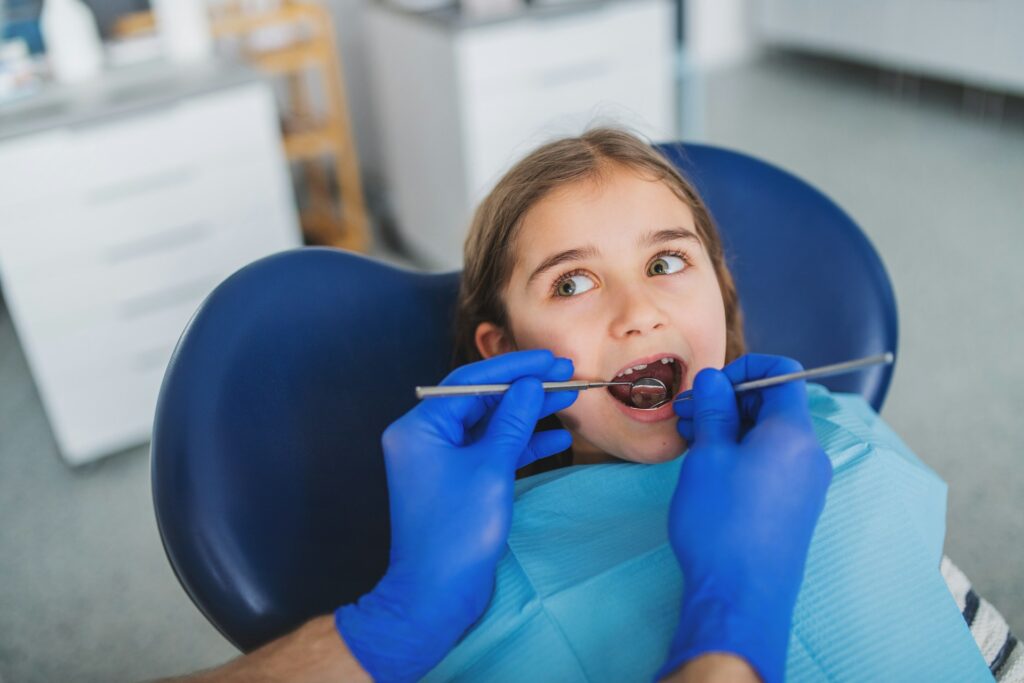
Spotting Early Dental Red Flags in Children
Knowing when your child needs paediatric dentistry in Malta is not always clear. A bit of whining, a wobbly tooth, a sore gum, it can be hard to tell what is normal and what needs a professional eye. Many parents wait to see if things improve, only to find their child in pain at the worst possible time, like during school or while travelling.
Early checks, even before all the baby teeth are in place, can help avoid urgent visits, missed lessons, and more complex treatment later. Small problems are usually easier and more comfortable to treat when they are picked up early. Our aim here is to give you a simple guide to the signs that should prompt a paediatric dental visit, plus some practical tips you can use at home.
Tooth Troubles You Should Never Ignore
Toothache is not something children simply have to “put up with”. If your child keeps pointing to the same tooth or side of the mouth, it is a sign to act.
Watch for:
• Tooth pain that lasts more than a day or two
• Avoiding hot or cold foods and drinks
• Waking at night because of mouth or tooth pain
• Only chewing on one side
These can all be signs of tooth decay, infection, or enamel problems. Baby teeth might fall out one day, but until then they help with speech, chewing, smiling, and holding space for adult teeth. Ignoring decay in baby teeth can affect how your child eats, talks, and feels about their smile.
Changes you can see on the teeth or gums are also important. Keep an eye out for:
• White or brown spots on the teeth
• Chips, cracks, or rough edges
• Swollen, red, or bleeding gums
• A bad taste or smell from the mouth that does not go away with brushing
A tiny chip that does not cause pain can sometimes be monitored, but if a tooth is sharp, sensitive, or looks darker than the others, it should be checked. Early care can stop a small crack turning into a deep problem.
Trauma is another big one. School sports, playground games, or a fall at home can all lead to:
• Knocked-out teeth
• Loose or moved teeth
• Cut lips, cheeks, or gums
After any strong bump to the mouth, it is wise to seek a paediatric assessment, even if everything looks fine at first. Damage inside the tooth or to the root might not be visible right away.
Habits That May Harm Your Child’s Smile
Some everyday habits can slowly affect how your child’s teeth and jaws grow.
Thumb sucking and dummy use are very common in younger children. They usually fade on their own, but if they continue past the age of three or four, they can start to:
• Push the front teeth forwards
• Change how the top and bottom teeth meet
• Influence jaw growth and the shape of the palate
Gentle, positive strategies to stop, such as small rewards, clear limits, and lots of praise, tend to work better than pressure or shame. Paediatric dental teams can help you decide on the right timing and keep track of any changes in the bite.
Mouth breathing and snoring can sometimes be linked to crowded teeth and changes in facial growth. Signs to watch for include:
• Often sleeping with the mouth open
• Dry, cracked lips on waking
• Restless sleep or frequent waking
• Daytime tiredness or trouble focusing
If you see these, consider both a dental review and a medical check, as there may be underlying issues with the nose or airways.
Teeth grinding and nail biting are also worth noting. Signs of night-time grinding include:
• Flattened or worn-looking teeth
• Morning jaw or face soreness
• Headaches that are hard to explain
Nail biting, pen chewing, or biting on hard objects can chip enamel, move teeth, and irritate the gums. A paediatric dentist can advise on ways to protect the teeth and reduce the impact of these habits.
Developmental Signs You Need a Paediatric Dentist
Teeth follow a general pattern, but every child is different. Still, there are a few timing clues that mean it is time for a closer look.
Typical patterns are:
• First baby tooth: usually around the first year of life
• All baby teeth in place: typically by the early school years
• First adult molars and front teeth: from early school age onwards
If teeth are very late to appear, or if baby teeth are lost much earlier than expected because of decay or trauma, this should be assessed. Missing baby teeth can affect how your child chews and speaks. They can also change how much room is left for adult teeth, which might lead to crowding. In some cases, space maintainers or other simple aids may be advised to keep things on track.
Crooked teeth and bite problems can show up quite early. Look out for:
• Teeth that overlap or twist
• Large overbites, where the top teeth sit far in front of the bottom ones
• Underbites, where the lower teeth are in front
• Crossbites, where the side teeth do not meet evenly
• Trouble biting into foods like apples or sandwiches
Early assessment lets you plan for long-term, gentle solutions that may reduce the need for more complex orthodontics later on.
Speech, chewing, and jaw comfort are also linked to dental development. Warning signs include lisping, unclear speech that does not improve with age, clicking or popping sounds from the jaw, or a child saying their jaw feels tired or stiff. A paediatric dentist can work side by side with speech and medical professionals to support your child.
Behaviour Clues That Point to Dental Problems
Not all signs are in the mouth. Behaviour can tell you a lot too.
If your child:
• Cries or fights when it is time to brush
• Regularly avoids brushing before bed
• Holds their cheek or pulls away when you help them clean
they might be feeling pain or sensitivity. Young children often cannot explain this clearly, so it comes out as refusal or tears. Some reluctance is normal, but ongoing resistance is worth checking.
Anxiety about dental visits is also common, especially if routines are changing or if there was a past negative experience. Even confident children can feel nervous in a new setting. A child-centred clinic that uses gentle language, explains each step, and lets children move at a comfortable pace can help turn worry into trust over time.
Children with autism, sensory needs, or other additional needs may find lights, sounds, new textures, and unfamiliar faces very challenging. Tailored paediatric dentistry, with calm scheduling, clear planning, and a focus on minimally invasive care, can create a more predictable and comfortable experience for them and their families.
How Signature Dental Supports Growing Smiles in Malta
A simple rule for timing is to bring your child for their first dental visit by their first birthday or when their first tooth appears, then keep regular check-ups from the early school years. Many parents find it helpful to plan preventive visits at calmer times of the year, before busy holiday periods or exam seasons.
At Signature Dental in Sliema, we are a fully digital clinic, and we bring that approach to paediatric dentistry in Malta. Digital scans, low-dose imaging, and 3D planning help us build a clear, accurate picture of your child’s mouth while keeping visits as comfortable as possible. This supports minimally invasive care designed with the long term in mind.
During a paediatric appointment, we take time to explain what we are doing in simple language, show children the equipment in a friendly way, and listen to their concerns. Our focus is on gentle care, meeting UK clinical standards, and creating personalised prevention plans that fit your child’s age, habits, and risk level. By spotting and managing early red flags, we aim to keep growing smiles healthy, confident, and ready for the years ahead.
Give Your Child A Confident, Healthy Smile
If you are looking for gentle, science‑based care for your child, our team at Signature Dental is here to help. Discover how our approach to paediatric dentistry in Malta focuses on comfort, prevention and long‑term oral health. Book an appointment with us today so we can support your child through every stage of their dental development.